Book-Now
We've come across the article relating to Don’t Let an Earthquake Damage Your Plumbing listed below on the net and think it made perfect sense to talk about it with you on my blog.
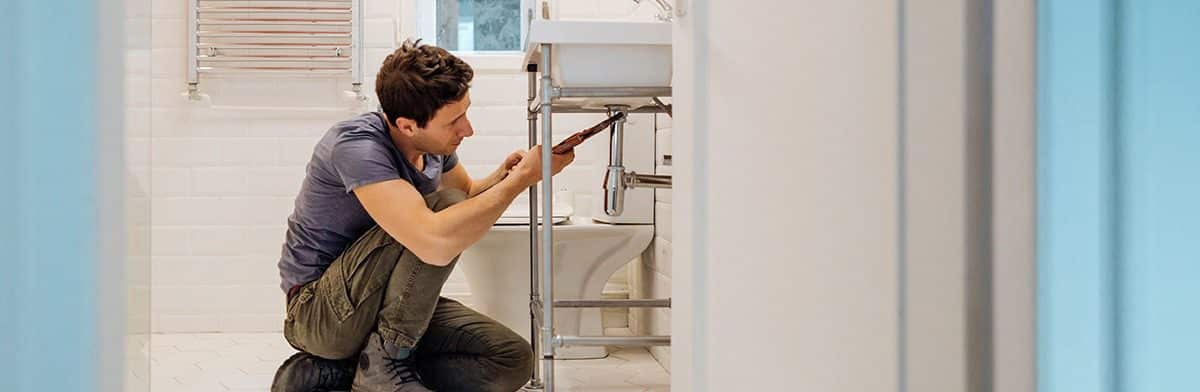
The key to durable devices, unsurprisingly, appertains upkeep. There's no hard and fast guideline that can ensure your plumbing appliances a long wear, but you can protect against unnecessary damages and also repair work by avoiding bad plumbing habits.
You ought to quit doing these 6 things else you'll maintain calling your plumber over for minor faults.
Flushing every little thing
Yes, your toilet drain leads to the sewage systems, however that does not imply you must dispose just anything away. Several 'flushable' products are actually terrific obstruction beginners, as an example floss. Asides maintaining noticeable non-flushable materials like cords and also plastics out of your bathroom, you must additionally stay clear of flushing cotton buds, menstrual items, wipes, daipers as well as prophylactics down the bathroom drain.
Putting oil in the sink
We know correctly getting rid of grease after a hearty meal is a pain. Yet simply putting it away can do long-term harm to your pipes. "The fat and oil can clog your drainpipe badly adequate to force you to call a plumber," explains Dawson. "Plumbing works best when it's well cared for-- not abused with grease."
Using way too much drainpipe cleaner
Making use of a drainpipe cleaner more than once or twice a month is an indicator that something severe is going on within your pipelines. Currently, rather than encountering the main problem, you go for a quick fix; a carbonated drain cleaner. Rightfully, a drainpipe cleaner will take care of the blockage, but at what expense?
The chemicals in a drainpipe cleaner can accelerate the corrosion of your pipelines. Add that to whatever underlying trouble is creating the clog and you may need to a significant trouble on your hands.
If you experience too many clogs, call your emergency plumber instead of using a drain cleaner.
Not rinsing dishes before filling them into the dishwasher
it's called a dishwashing machine, but tossing in meals, pots, as well as pans covered in big food fragments can actually create some major damages to the home appliance, causing lasting problems down the line. "Home owners might have to obtain their dishwasher repaired more often if they don't wash their meals before packing, or at least remove larger food items," describes Audrey Monell, owner of Forrest Anderson Plumbing as well as Air Conditioning in Glendale, Arizona. "Food that gets stuck on meals triggers the dishwasher to function harder, which can wear down components much faster, causing troubles."
DIYing every little thing
With plumbing, a stitch in time actually does conserve nine. You can protect against a fullblown plumbing emergency by calling your plumber at the right time.
You might have learnt a couple of plumbing hacks from your daddy, but you ought to know where to fix a limit and call an expert. For example, you might have the ability to take care of a clog yourself, but you shouldn't attempt to change a pipe. You might inequality pipelines or overtighten a screw, triggering even more injury as well as damage than you assumed. Calling a plumber is a safe and cost effective choice.
Not changing your dishwasher tubes
One easy means to make certain that you use your dish washer for years is to replace the hose at the very least as soon as in five years. This also obtains cleaning maker pipes.
With time, food bits, soap and also grease can create clogs within your pipelines. Replacing them on time will certainly protect against any kind of presure develop that can damage the internal workings of your dish washer or cleaning machine.
A strengthened steel entwined hose does a terrific job of lengthening your device's usage time.
No winter season safety measures
Extreme weather are bad for your pipes, especially if they're made from steel. You ought to insulate your subjected pipelines, and your water tank, even if you have a hot water heater. You should likewise shut off your yard hose pipe valve as well as any other outside water channels. These networks are outlets for cold; you pipelines can begin to freeze from outside if you don't.
How Hard Water Damages Your Plumbing and Appliances
Hard water is no stranger to most households across America. This silent invader affects 85% of homes in the United States every day, wreaking havoc on pipes, plumbing fixtures, and water-using appliances.
Should you become a victim of hard water, you must understand exactly what it is and how it affects your plumbing and appliances. This will help you determine the correct measures to put in place to fix or prevent any problems that may arise.
First off, what exactly is “hard” water?
In short, “hard water” is used to describe water that contains relatively high amounts of dissolved minerals, primarily calcium and magnesium, and a host of trace metals. When rainwater falls from the sky (usually in a pure form), it absorbs the hardness minerals from rocks and soil, which changes it from soft to hard water.
What about my plumbing and appliances?
Mineral deposits from hard water can cause buildup on tubs, shower, sinks, faucets. But that’s only a small scratch of the surface. Those minerals can gradually build up inside pipes, fixtures, water heaters, washing machines, and dishwashers. Once they accumulate in those areas, they can clog pipes and create major problems throughout your plumbing system, from reduced water flow to increased pressure on pipes and fixtures.
This limescale buildup might affect some appliances, causing them to operate less efficiently and wear down faster. And the result? Higher energy bills, more (costly) plumbing replacements and repairs, and damaged appliances.
Keep in mind that certain types of plumbing are more susceptible to clogging than others. Copper, PVC, and PEX pipes are more resistant to hard water buildup and corrosion, but they can still get clogged or completely blocked by scale deposits.
How do I know if my water is hard?
White limescale buildup on plumbing fixtures (or any of the other signs mentioned above) is usually a good sign that your water is hard. If you suspect that you have hard water, you can simply shake up a small amount of dish soap and water in a closed container. If the mixture doesn’t create a lot of suds, you probably have hard water.
The most precise method, however, is to test your water with a DIY test kit (sold online or at local home centers or hardware stores) or send a water sample from your tap to a local lab to be tested. Be sure that you understand the nature of the test, the water condition being measured, and the significance of the test results.
Another way to obtain an estimate of water hardness is to check your annual water quality report to see if your water provider has reported any instance(s) of water hardness in your water supply.
https://www.springwellwater.com/how-hard-water-damages-your-plumbing-and-appliances/
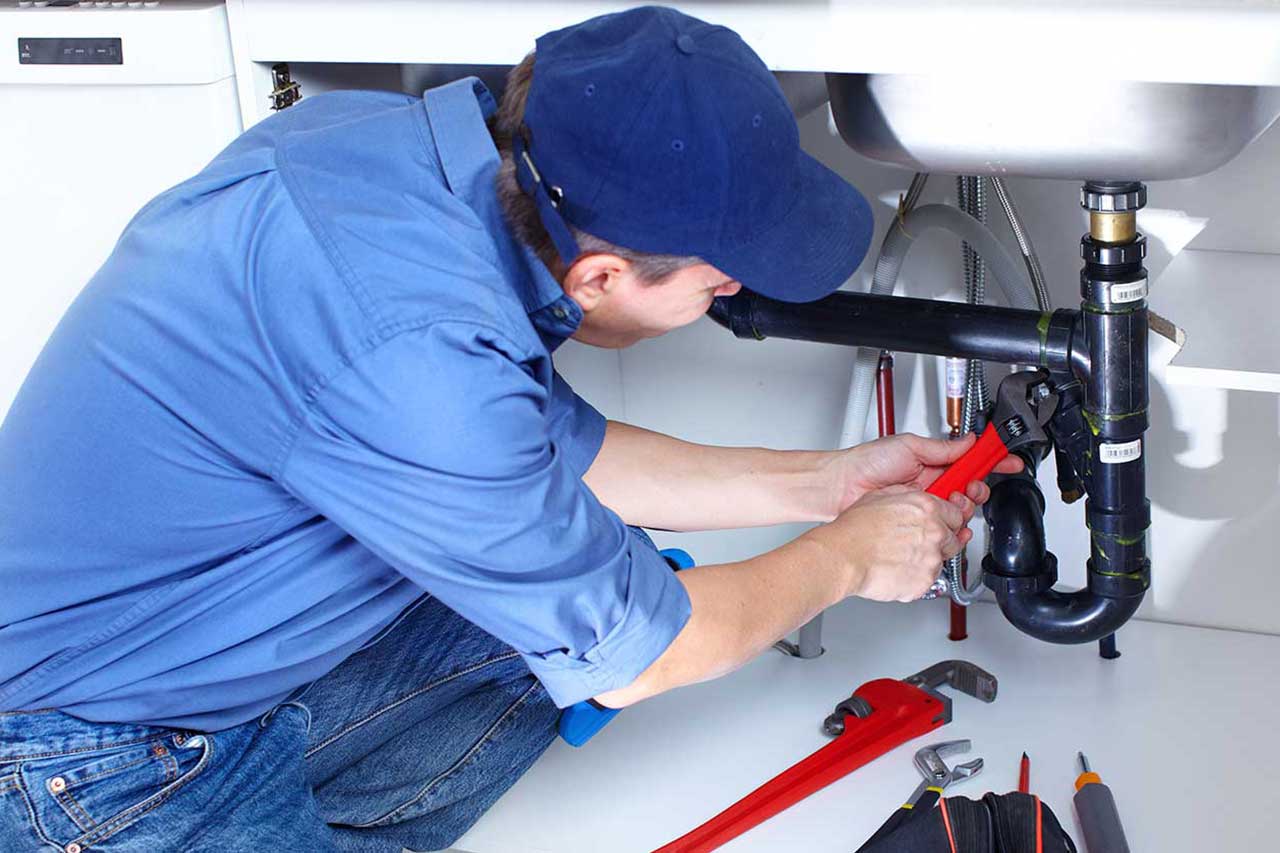
Do you like more info about Ways to Make Your Pipes Last Longer? Make a remark below. We would be interested to find out your views about this blog entry. We are looking forward to see you back again in the future. Are you aware of somebody else who is sincerely interested in the niche? Do not hesitate to promote it. We truly appreciate reading our article about Ways to Make Your Pipes Last Longer.
Get Your Estimate Now